Leopard Bow Pumpkin Football Embroidery Design
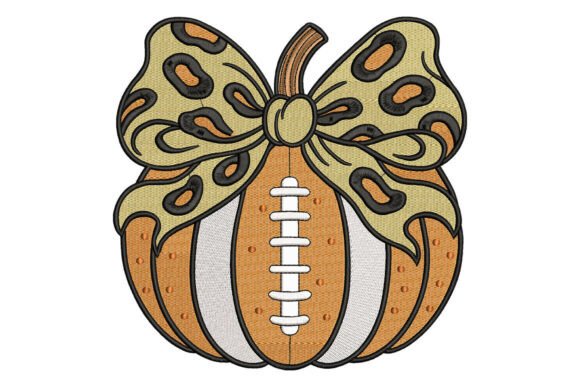
Fall fashion and autumn decor often rely on a predictable palette of plaids and solid oranges, but the Leopard Bow Pumpkin Football design offers a refreshing twist on seasonal aesthetics. This machine embroidery file combines three distinct cultural touchstones: the classic harvest pumpkin, the trendy leopard print motif, and the unmistakable laces of an American football. It is a digital asset that bridges the gap between rustic farmhouse charm and modern game-day spirit, making it a versatile choice for anyone looking to stitch something unique this season.
Understanding what this design represents helps in utilizing it effectively. It is not merely a picture of a vegetable; it is a stylistic fusion. The leopard bow adds a layer of feminine boldness to the traditional gourd shape, while the football laces integrated into the stem or body acknowledge the cultural dominance of autumn sports. For embroiderers, this means the design serves double duty. It works equally well for a Halloween party favor as it does for a tailgate accessory, maximizing the return on time invested in hooping and stitching.
Relevance Across Different Skill Levels
The value of this specific embroidery design shifts depending on where you are in your creative journey. Beginners often struggle with designs that have excessive jump stitches or complex color changes that require constant supervision. The Leopard Bow Pumpkin Football design typically caters to those building confidence by offering clear delineation between the fill stitches of the pumpkin, the satin stitches of the bow, and the detail work of the laces. For a novice, this project serves as a practical lesson in managing texture contrast without being overwhelming. It allows new users to practice stabilizing knit fabrics for t-shirts or woven cottons for towels with a motif that forgives minor tension adjustments due to its organic shapes.
Experienced embroiderers and digitizers evaluate this design through a different lens. They look beyond the cute factor to assess stitch density and pathing efficiency. A professional might use this file to test how their machine handles mixed media textures within a single hoop. They may also appreciate the design as a base for customization. Because the pumpkin acts as a central canvas, advanced users can easily add monograms, team numbers, or personalized names below the bow without disrupting the visual balance. For experts, the priority is flexibility and the ability to integrate this stock design into larger, custom-composed layouts for high-end client work.
Educators and Community Leaders
In group settings like 4-H clubs, senior center craft circles, or classroom art projects, instructors need designs that are engaging yet manageable within a limited timeframe. This design hits a sweet spot for educators because it appeals to a wide age range. Younger students connect with the animal print and sports elements, while adult learners appreciate the seasonal relevance. From a logistical standpoint, the design usually completes in a reasonable amount of time, allowing for multiple students to use a single machine during a workshop. It also provides an excellent opportunity to teach color theory, as students can experiment with changing the standard orange pumpkin to school colors or altering the leopard print to match specific fabric choices.
Commercial Applications for Small Business Owners
For entrepreneurs running Etsy shops, boutique stores, or custom apparel businesses, the Leopard Bow Pumpkin Football design is a strategic inventory asset. The primary concern here is commercial viability and trend alignment. This design targets a specific niche intersection: customers who love fall aesthetics but want something edgier than traditional country decor. Business owners can leverage this by creating product lines that span two major selling seasons. Items stitched with this design can be marketed as "Game Day Gear" in September and October, then transitioned to "Spooky Season Decor" as Halloween approaches.
Profitability relies on production speed and perceived value. This design’s combination of fills and details generally allows for faster stitch-out times compared to photorealistic images, which improves profit margins on items like tote bags and kitchen towels. Furthermore, the inclusion of multiple file formats ensures compatibility across various commercial and domestic machines, reducing technical friction when fulfilling orders. Entrepreneurs should verify licensing terms before selling finished goods, but assuming commercial rights are granted, this design supports high-margin products like personalized sweatshirts or premium dish towels that command higher price points than generic seasonal merchandise.
Practical Project Ideas by Audience
- Hobbyists: Create a set of matching napkins for a Friendsgiving dinner, using the leopard bow element to tie in with table runners or centerpiece accents.
- Parents: Stitch the design onto canvas tote bags for carrying library books or sports equipment, adding a child's name in block letters beneath the football laces.
- Marketers: Use the design on branded giveaway items for corporate fall events, selecting thread colors that align with company branding while maintaining the seasonal theme.
- Crafters: Upcycle thrifted denim jackets by placing the design on the back panel, combining vintage textiles with modern embroidery trends for a sustainable fashion statement.
Evaluating Quality and Technical Fit
Regardless of your role, determining if this design matches your current needs requires assessing technical specifications against your project goals. File format availability is the first checkpoint. While most modern machines read PES or DST files, having access to JEF, EXP, or VP3 formats ensures you aren't forced to use third-party conversion software that might alter stitch data. Always check the physical dimensions of the design against your available hoop sizes. A design that looks perfect on screen becomes frustrating if it requires re-hooping or resizing that distorts the leopard print spacing.
Stitch count is another critical metric for decision-making. If you are producing items for sale at a craft fair next weekend, a design with 50,000 stitches might be too slow to be profitable. Conversely, if you are creating a heirloom quilt block, a higher stitch count might indicate better coverage and durability. Review the color sheet included with the Leopard Bow Pumpkin Football files to understand the number of thread changes required. Designs with excessive color breaks can slow down production significantly, whereas optimized files keep the needle moving efficiently.
Making the Right Choice for Your Goals
Ultimately, the decision to download and stitch this design should align with your specific intent. If you are seeking a quick, satisfying project to decorate a kitchen towel for personal use, the aesthetic appeal and ease of stitching are likely your top priorities. In this case, the playful mix of patterns offers immediate gratification and seasonal joy. However, if you are a professional digitizer looking for inspiration, you might analyze the file structure to learn how the designer handled the transition between the smooth pumpkin fill and the textured leopard spots.
For consumers purchasing finished goods featuring this design, the value lies in uniqueness. You are buying into a trend that feels current without being disposable. The blend of sporty and chic ensures the item remains relevant throughout the entire autumn season rather than just on October 31st. By understanding these varied perspectives—from the learning curve of a beginner to the profit margins of a business owner—you can better appreciate the utility of the Leopard Bow Pumpkin Football design. It is more than just digital threads; it is a tool for expression, education, commerce, and connection during one of the most vibrant seasons of the year.