Mini Football: Elevating Custom Apparel with Compact Embroidery Design
The intersection of sports culture and personalized craftsmanship has created a sustained demand for athletic aesthetics that are both authentic and versatile. Within this niche, the Mini Football embroidery design has emerged as a staple for creators, small business owners, and hobbyists who need to bridge the gap between professional team branding and individual expression. Unlike large-scale back prints or complex multi-color crests, this compact motif offers a refined, applique-inspired finish that captures the essence of the game without dominating the garment. Its relevance extends beyond simple decoration; it represents a shift toward modular, scalable design elements that fit seamlessly into modern production workflows and diverse consumer lifestyles.
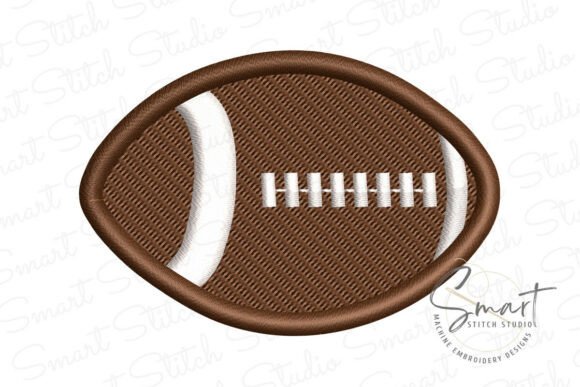
For professionals in the custom apparel industry, the Mini Football serves as a high-utility asset. It addresses a specific market need for subtle yet recognizable sports iconography that works across age groups and product categories. Whether outfitting a youth league, creating merchandise for a college tailgate, or personalizing gifts for coaches, this design provides a polished look that maintains integrity even at smaller sizes. The detailed stitching texture, bright white laces, and bold border accents ensure that the classic football shape remains distinct, offering a tangible connection to the sport that resonates with fans and players alike.
The Shift Toward Modular Sports Aesthetics
Current trends in custom apparel favor versatility over rigidity. Consumers and creators are moving away from single-use, oversized graphics in favor of designs that can be mixed, matched, and layered. The Mini Football exemplifies this evolution. Its manageable stitch count and clean lines make it an ideal candidate for monogram pairings, name personalization, and year markers. This modularity allows embroiderers to create cohesive collections rather than isolated items. For example, a team mom might use the same mini design on player warm-up shirts, parent hats, and cooler towels, creating a unified visual identity through repetition and scale rather than identical large-format printing.
This trend aligns with broader changes in how people engage with sports fandom. Modern supporters often prefer understated, lifestyle-integrated gear over loud, promotional wear. A mini football embroidered on a denim jacket cuff, a tote bag strap, or a baby bodysuit signals affiliation with a sophisticated subtlety that appeals to adult demographics while remaining playful enough for younger audiences. For businesses, this means the design has a longer shelf life and wider application range than trend-specific novelty art. It functions as a foundational element in a sports-themed catalog, capable of anchoring seasonal promotions or serving as a year-round bestseller.
Technical Advantages for Production Efficiency
From a production standpoint, the technical specifications of the Mini Football design directly impact profitability and workflow efficiency. In commercial embroidery, time is currency. Large, dense designs consume significant machine runtime and thread, increasing the cost per unit and limiting daily output. The compact nature of this football pattern optimizes hoop space and reduces stitch-out time, allowing for higher volume runs without sacrificing quality. This efficiency is particularly valuable for fulfilling bulk orders for schools, camps, or corporate events where margins can be tight.
Furthermore, the design’s structure supports consistent results across various substrates. Detailed stitching textures and bold borders are engineered to stabilize the fabric during the embroidery process, reducing puckering on stretchy performance wear or thick terry cloth. This reliability minimizes waste and rework, which is crucial for maintaining reputation and customer satisfaction. For freelancers and home-based entrepreneurs, this predictability lowers the barrier to entry for sports customization, enabling them to offer professional-grade athletic wear without industrial-level equipment.
- Reduced Runtime: Lower stitch counts translate to faster turnaround times for rush orders and game-day deadlines.
- Substrate Versatility: Performs reliably on caps, knits, woven cottons, and synthetic blends due to balanced density.
- Hoop Flexibility: Fits within standard 4x4 hoops, maximizing compatibility with entry-level and multi-needle machines.
- Clean Registration: Bold outlines and defined lace details help mask minor alignment shifts during multi-step applique processes.
Practical Applications Across Demographics
The true value of the Mini Football lies in its adaptability to different user segments. Understanding these applications helps creators market their services more effectively and develop products that meet specific emotional and functional needs. The design transcends the field, finding relevance in nurseries, classrooms, boardrooms, and social gatherings.
Youth and Scholastic Athletics: For youth leagues and high school teams, budget and durability are paramount. This design offers a cost-effective way to brand practice gear, spirit wear, and fundraising items. Its size is appropriate for smaller garments like toddler tees and elementary-sized polos where full-size logos would look disproportionate. Parents and boosters appreciate the ability to add personal touches, such as jersey numbers or graduation years, alongside the universal symbol of the sport.
Adult Fans and Lifestyle Branding: Adult consumers often seek sports merchandise that integrates with their existing wardrobe. A mini football on a leather patch hat, a canvas apron, or a quilted blanket offers a mature aesthetic suitable for tailgating, watching games at home, or casual Fridays. Entrepreneurs can leverage this by offering premium customization options, such as using metallic threads for laces or tonal stitching for a subdued, varsity-inspired look. This demographic values quality and nostalgia, making the realistic texture and traditional brown tones of the design particularly appealing.
Gift Economy and Special Occasions: Sports-themed gifts are a perennial category, but generic items often lack sentiment. Personalizing a lunch bag, gym towel, or duffel bag with a Mini Football transforms a utilitarian object into a keepsake. Coaches’ gifts, senior night mementos, and baby shower presents for football families all benefit from this specific scale. It strikes a balance between celebratory and practical, ensuring the item will actually be used rather than stored away.
Customization Strategies for Unique Results
While the classic brown football with white laces is iconic, the design’s simplicity invites creative experimentation. Adapting the color palette and materials allows creators to serve niche markets and differentiate their offerings in a crowded marketplace. School colors are the most obvious variation, but exploring beyond team palettes can unlock new revenue streams.
Consider using patterned fabrics for the applique portion to add depth and visual interest. Camouflage, plaid, or polka dots can tailor the design to specific themes like hunting season, holiday parties, or gender-reveal events. Thread selection also plays a critical role; matte threads offer a vintage, retro feel, while rayon or polyester provides the high-sheen finish associated with modern athletic wear. For luxury projects, incorporating metallic gold or silver for the border accents can elevate the perceived value of the finished piece.
- Assess the End Use: Determine if the item will face frequent washing (use durable polyester) or is decorative (rayon/metallic acceptable).
- Select Appropriate Stabilizer: Match backing weight to the fabric and design density to prevent distortion.
- Test Color Combinations: Stitch out samples on actual project material to verify contrast and readability at small scales.
- Plan Placement Carefully: Account for seams, pockets, and garment construction when positioning compact designs.
Navigating Market Expectations and Quality Standards
As the custom sports market matures, so do client expectations. Buyers are increasingly knowledgeable about embroidery quality and design integrity. They recognize when a digitized file is poorly constructed or when materials are substandard. Using a well-digitized Mini Football design signals professionalism. Clean satin stitches, secure tack-downs, and proper underlay are non-negotiable elements that distinguish a premium product from a craft fair novelty.
Professionals must also navigate licensing and intellectual property considerations. While a generic football shape is universally usable, specific team logos, mascots, or trademarked phrases require permission. The strength of the Mini Football design is its neutrality; it evokes the spirit of the sport without infringing on proprietary assets. This makes it a safe, evergreen option for commercial sellers who want to avoid legal risks while still catering to passionate fanbases. By focusing on the universal symbols of the game—the laces, the shape, the texture—creators can build sustainable businesses rooted in authentic appreciation rather than fleeting trends.
Ultimately, the enduring popularity of this design stems from its ability to connect people through shared passion. In an era of digital saturation, tactile, stitched representations of beloved activities carry significant weight. The Mini Football is more than a decorative element; it is a tool for storytelling, community building, and personal expression. For the embroiderer, marketer, or educator, mastering its application opens doors to meaningful engagement and reliable commercial opportunity. By respecting both the technical requirements of the medium and the emotional resonance of the subject matter, creators can deliver work that satisfies both the heart and the bottom line.