Baseball Embroidery Design: Crossed Bats Guide
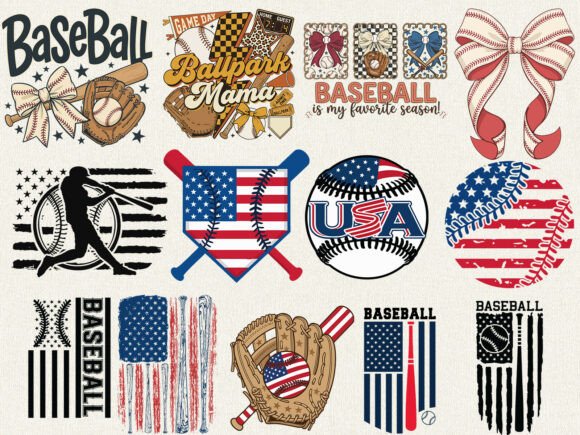
Hit a home run with this classic Baseball Embroidery Design featuring crossed baseball bats and distinct baseball accents. This motif captures the essence of America’s pastime, translating the energy of the diamond into thread and fabric. For sports enthusiasts, players, coaches, and proud parents, this specific arrangement of crossed bats offers more than just decoration; it provides a symbol of team unity and athletic pride. Whether you are stitching team apparel, crafting game day accessories, personalizing tote bags, or embellishing jackets, this design delivers clean lines and a bold aesthetic that remains legible and attractive across various textile weights.
Defining the Crossed Bats Motif
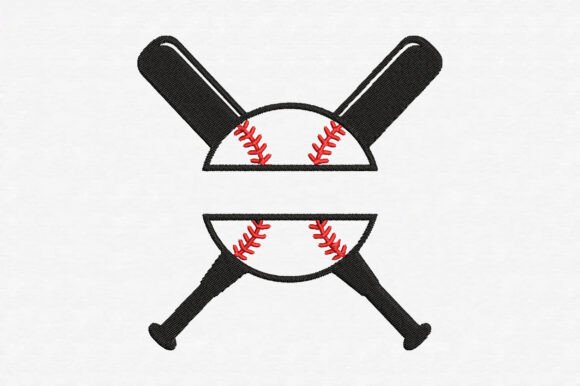
At its core, a Baseball Embroidery Design centered on crossed bats relies on geometric balance and symbolic recognition. Unlike complex scenic designs that require high stitch counts and dense underlay, crossed bats utilize negative space and strong outlines to create visual impact. The intersection of the bats forms a natural focal point, often accented by a central baseball or home plate element. This structural simplicity is intentional. It ensures the design registers clearly from a distance, which is essential for uniforms and sideline gear. The "crossed" configuration also implies readiness and action, making it a dynamic choice for active wear rather than static memorabilia.
Perspectives Across Skill Levels and Roles
The value of this specific embroidery digitization shifts depending on who is holding the hoop. What matters to a hobbyist learning tension control differs vastly from what a commercial decorator needs for bulk production. Understanding these distinct priorities helps determine if this design aligns with your current objectives.
For Beginners and Hobbyists
New embroiderers often struggle with registration issues where outlines do not meet fill areas perfectly. A crossed bats Baseball Embroidery Design serves as an excellent educational tool because it typically features defined satin stitch borders and manageable fill sections. The linear nature of the bats allows beginners to practice directional stitching without navigating complex curves or tiny text. For a hobbyist making a gift for a Little League player, the priority is often forgiveness; if the fabric shifts slightly during stitching, the bold lines of the bats tend to hide minor imperfections better than intricate logos or detailed mascots. This makes the project less stressful and more likely to result in a professional-looking finish on cotton twill or denim.
Commercial Decorators and Small Business Owners
For entrepreneurs running a custom apparel business, time equals money. This design category is prized for its production efficiency. Crossed bats generally require fewer color changes and less total stitch count than full-color team crests. When fulfilling an order for twenty team warm-up shirts, saving thirty seconds per garment adds up significantly over a production run. Business owners evaluate this Baseball Embroidery Design based on versatility and margin protection. Can this same file be used on a structured cap, a polyester jersey, and a canvas tote bag without redigitizing? The answer is usually yes, provided the underlay is optimized. The commercial value lies in the design's ability to serve as a generic, non-licensed sports graphic that appeals to leagues, camps, and tournaments without infringing on trademarked team intellectual property.
Coaches, Team Moms, and Parents
This group prioritizes sentiment and durability over technical perfection. When creating end-of-season gifts or fundraising items, the goal is to produce something that withstands frequent washing and rough handling. A crossed bats design stitches out densely enough to resist fraying but openly enough to prevent the fabric from becoming stiff or bulletproof. Parents appreciate this balance because it keeps garments comfortable for children. Furthermore, this motif acts as a unifying visual identity. Even if individual players have different numbers or names, the shared crossed bats emblem on a backpack or jacket fosters a sense of belonging. For this audience, the design is a vessel for memory and community spirit.
Evaluating Technical Suitability for Your Project
Before loading this Baseball Embroidery Design into your machine, consider how the physical attributes of the artwork interact with your intended application. Not all fabrics behave identically under the needle, and the crossed bats motif has specific requirements for optimal presentation.
- Fabric Weight Compatibility: This design typically performs best on medium to heavy-weight fabrics like twill, fleece, denim, and canvas. On lightweight performance knits, the density of the bat fills may cause puckering unless a lightweight cutaway stabilizer and proper topping are used. If you plan to stitch on thin jersey material, verify that the digitizer has included appropriate underlay to stabilize the knit structure before the top stitches land.
- Sizing Flexibility: Linear designs like crossed bats can sometimes distort when resized drastically. Enlarging the design by 20% is usually safe, but reducing it below 60% of its original size may cause the satin stitch columns to become too narrow or the baseball accents to lose definition. Always test stitch at your target size on scrap fabric similar to your final project.
- Color Adaptation: While traditional navy and red are popular, this design translates beautifully to monochromatic schemes. Using white thread on a black jacket or metallic gold on navy creates a sophisticated, varsity-letterman aesthetic. Because the design relies on shape rather than color shading, you have significant creative freedom to match school colors or personal preferences without losing visual clarity.
Practical Applications Beyond the Uniform
While jerseys are the obvious choice, limiting this Baseball Embroidery Design to athletic wear overlooks its broader utility. The clean, graphic nature of crossed bats makes it suitable for lifestyle products that bridge the gap between sport and daily use.
Consider personalized travel gear. Duffel bags and equipment trunks benefit from this bold imagery because it aids in quick identification in crowded dugouts or locker rooms. For educators and camp counselors, this design works well on staff polo shirts, signaling authority and role clarity to participants. In the realm of home decor, embroidered throw pillows featuring this motif add a touch of nostalgic Americana to a teenager’s bedroom or a family room dedicated to sports viewing. Each application requires slight adjustments in hooping and stabilization, but the design itself remains constant, proving its worth as a multi-purpose asset in any embroiderer's library.
Making the Right Choice for Your Needs
Determining whether this specific Baseball Embroidery Design fits your workflow involves honest assessment of your resources and goals. If you are seeking photorealistic detail or complex shading, this graphic style may feel too simple. However, if your priorities include speed, readability, ease of stitching, and broad appeal, it is an exceptional candidate.
Beginners should view it as a confidence-building exercise in managing satin stitches and object sequencing. Professionals should evaluate it as a high-margin staple that reduces machine runtime while satisfying client demands for classic sports aesthetics. Parents and organizers should embrace it as a durable, unifying symbol that celebrates participation. By matching the inherent characteristics of the crossed bats motif with your specific context, you ensure that the final stitched product is not just technically sound, but genuinely meaningful to the person wearing or using it. Ultimately, the best embroidery design is one that serves the wearer as effectively as it serves the maker.