College Outline Embroidery Font Guide
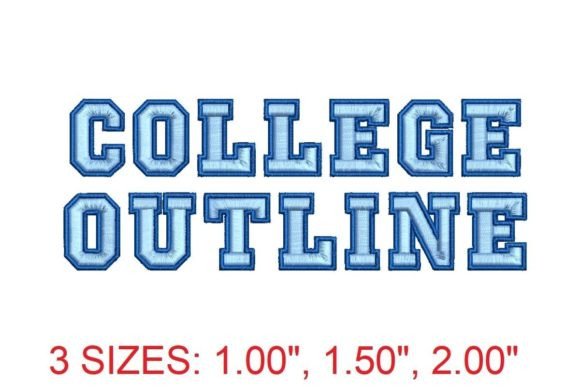
There is a distinct visual language associated with academic achievement and athletic tradition, and few design elements capture that spirit quite like varsity lettering. The College Outline Embroidery Font brings this iconic aesthetic directly to your embroidery machine, allowing creators to produce professional-grade collegiate styling without the hassle of manual digitizing. Unlike standard block letters that can appear flat or overly dense, this font utilizes a modern outline design that adds depth and dimension to every stitch. It serves as an essential tool for anyone looking to personalize apparel with a classic, timeless look that resonates across generations.
For embroiderers and small business owners, having a reliable, pre-digitized font is about more than just aesthetics; it is about workflow efficiency and technical compatibility. This specific typeface has been optimized for seamless integration with widely used file formats, including PES, ensuring it runs smoothly on popular machines like Brother and Babylock. Whether you are marking team uniforms, creating custom graduation gifts, or launching a merchandise line, understanding the practical applications and technical strengths of this font will help you elevate the quality of your finished products.
Defining Characteristics and Design Strengths
The primary appeal of the College Outline Embroidery Font lies in its architectural structure. Traditional satin stitch fonts can sometimes suffer from puckering on stretchy fabrics or require excessive stabilizer due to high stitch density. By employing an outline technique, this font reduces thread consumption while maintaining bold visibility. The negative space within the letterforms creates a lighter, more breathable design that sits better on performance wear and knit fabrics. This makes it particularly valuable for sportswear where fabric drape and comfort are paramount.
Versatility is another significant strength. While the name suggests an academic focus, the clean lines and geometric precision make it suitable for a wide range of retro and vintage-inspired projects. The outline style provides a natural frame that can be easily layered over other design elements or filled with contrasting thread colors to match specific brand palettes. From a production standpoint, the digitization is engineered to minimize jump stitches and trims, which translates to faster run times and less post-production cleanup for the operator.
Practical Applications Across Industries
This font extends far beyond university bookstores. Its utility spans multiple sectors where clear, authoritative typography is required:
- Sports and Athletics: Ideal for jersey numbers, team names, and championship commemorative gear. The outline style mimics professional sports branding, making local league teams look polished and unified.
- Educational Institutions: Perfect for staff polo shirts, club banners, and alumni event merchandise. It maintains institutional dignity while feeling current and stylish.
- Custom Apparel Businesses: A staple for print-on-demand or made-to-order shops focusing on nostalgia, Greek life, or regional pride. It allows for rapid personalization without custom digitizing fees.
- Corporate Branding: Useful for companies wanting to convey heritage, stability, or a "classic American" vibe in their promotional textiles.
- Personal Crafters: Excellent for monogramming tote bags, denim jackets, and baby blankets where a bold statement piece is desired over delicate script.
Technical Compatibility and File Formats
One of the most critical factors in selecting machine embroidery assets is format compatibility. The College Outline Embroidery Font is designed to eliminate the friction often associated with cross-platform work. It comes with multiple embroidery file formats, ensuring that whether you operate a single-needle home machine or a multi-needle commercial setup, you have access to the correct file type. The inclusion of PES format specifically caters to the vast ecosystem of Brother and Babylock users, but the package typically supports other major industry standards as well.
This broad compatibility means you do not need expensive conversion software to get started. You can download, load, and stitch immediately. For professionals managing multiple machines or outsourcing production, this universality ensures consistency across different equipment. The digitizing quality remains intact regardless of the format chosen, preserving the precise stitch angles and underlay structures that prevent registration issues during the sewing process.
Sizing, Stitches, and Production Planning
Understanding the physical dimensions of your font is crucial for avoiding hooping disasters and ensuring legibility. When evaluating the College Outline Embroidery Font, pay close attention to the provided sizing charts. Product listings typically display stitch counts and dimensions for the letter "A" as a baseline reference. However, characters vary significantly in width and complexity; an "M" will naturally consume more space and thread than an "I." Before committing to a full production run, always consult the detailed specifications available in the More Sewing Info PDF or equivalent documentation linked on the product page.
This level of diligence prevents costly mistakes when placing text near seams, pockets, or zippers. Knowing the exact stitch count also aids in accurate quoting for commercial jobs. You can calculate thread usage and machine time with precision rather than guessing based on visual size alone. Additionally, testing the font at various scales is recommended. While outline fonts generally scale well, extremely small sizes may lose definition, while massive sizes might benefit from additional anchor points to maintain structural integrity.
Tips for Achieving Professional Results
To maximize the impact of this trendy collegiate typeface, consider the interplay between thread, stabilizer, and fabric. Because outline designs rely on clean edges, using a sharp needle appropriate for your fabric weight is non-negotiable. Dull needles can cause fraying that ruins the crispness of the outline. For stretchy performance fabrics, use a cut-away stabilizer to prevent the open areas of the letters from distorting during wear and washing. On heavier materials like denim or canvas, a tear-away may suffice, but always test first.
Color selection also plays a pivotal role in the final appearance. High-contrast combinations, such as white outlines on navy fabric or gold on black, enhance the varsity effect. However, tonal embroidery (e.g., grey outline on charcoal) can create a sophisticated, subtle texture that appeals to adult demographics who may find traditional high-contrast varsity lettering too juvenile. Experimenting with metallic threads for the outline can also add a premium touch for special occasion items or award recognition pieces.
Why Upgrade Your Digital Asset Library
In the competitive landscape of custom embroidery, differentiation is key. Relying solely on built-in machine fonts limits your creative potential and makes your work indistinguishable from competitors. Investing in specialized typefaces like the College Outline Embroidery Font signals a commitment to quality and variety. It expands your service offerings, allowing you to say "yes" to client requests for specific aesthetics that stock fonts cannot fulfill.
Beyond client satisfaction, owning high-quality commercial-use fonts protects your business. Properly licensed, professionally digitized assets reduce the risk of copyright infringement associated with tracing logos or using unauthorized freebies. They also save countless hours of troubleshooting poor digitization. When you order now and integrate this font into your workflow, you are not just buying a set of letters; you are acquiring a reliable production asset that streamlines operations and enhances the perceived value of every item that leaves your studio.